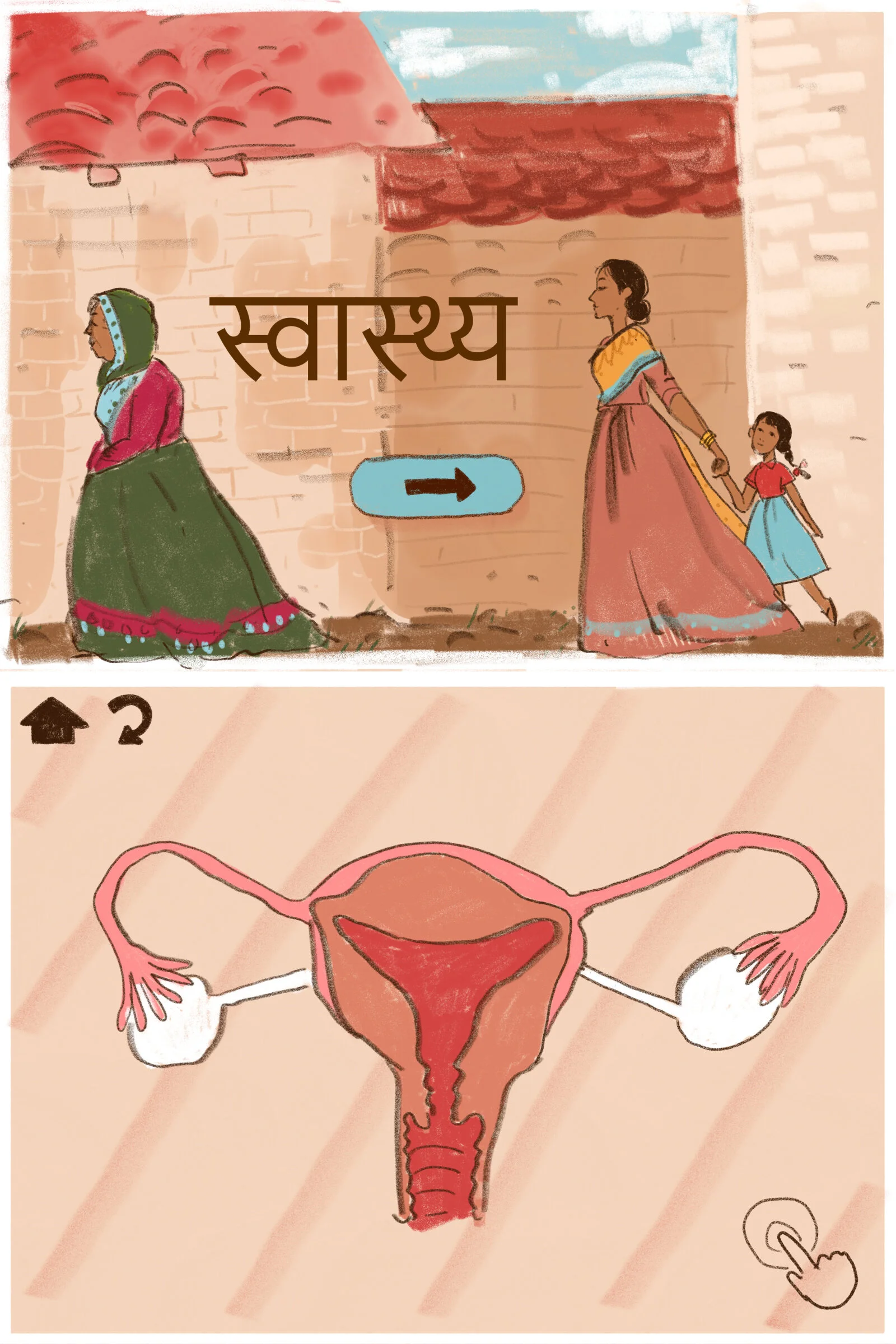
Health Friend: A tablet narrative game that provides menstrual health education to women in rural India
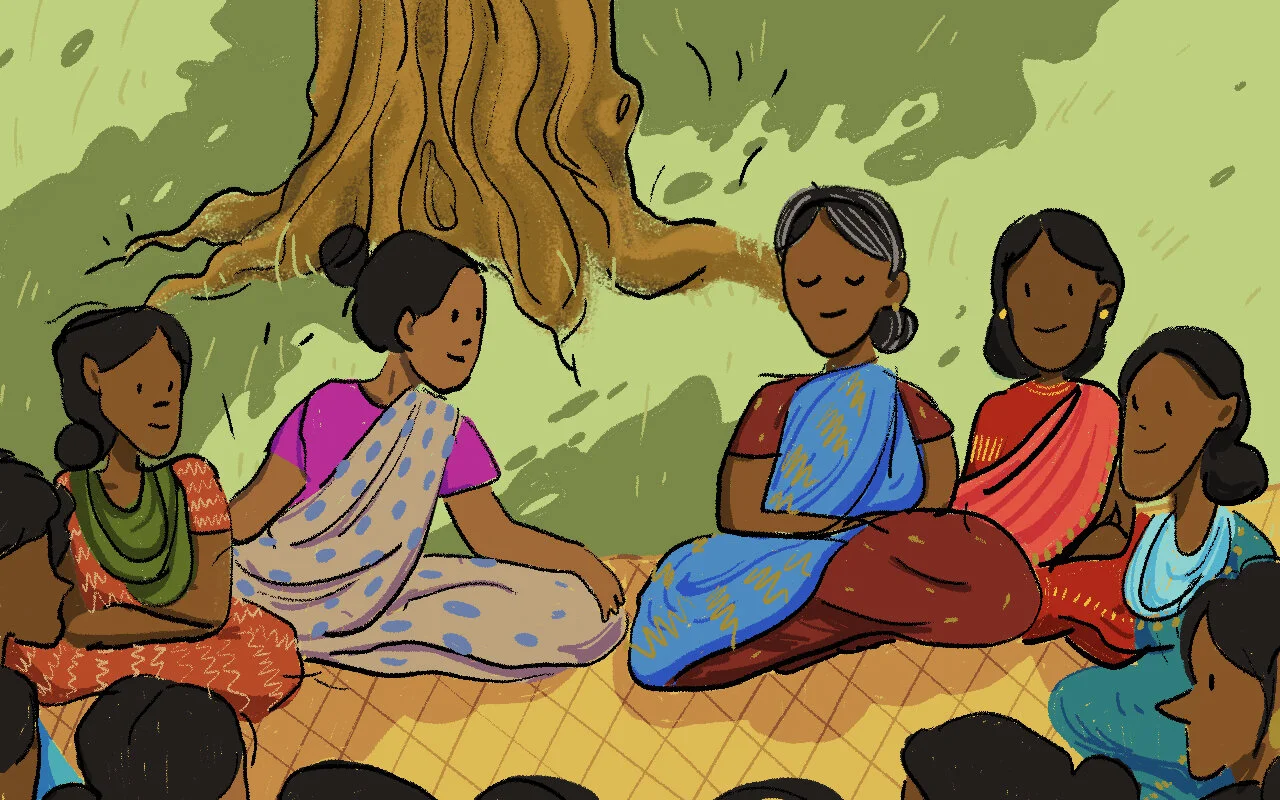
Health Friend is a menstrual health education game designed for women aged between 15-50 in rural India. While menstrual health is still a taboo in many low-resource communities in India, we hope Health Friend can provide women an informative, transparent, and narrative-driven menstrual health education experience.
With different chapters, It will cover topics such as menstruation, reproduction, contraception, child marriage, health services, and more through the game. With an engaging story line and interactive game features, the user will be learning while enjoying the story. At the end of each chapter, users will also be required to complete assessment modules to unlock the next chapter. The game analytics of the quiz modules will be exported to our partner Barefoot college to further help them improve their menstrual health curriculum.
Project Role: Design Lead
From Fall 2019 - Fall 2020, I designed this game with a software team under Engineering World Health as design lead. During this project, I practiced and developed the following skills:
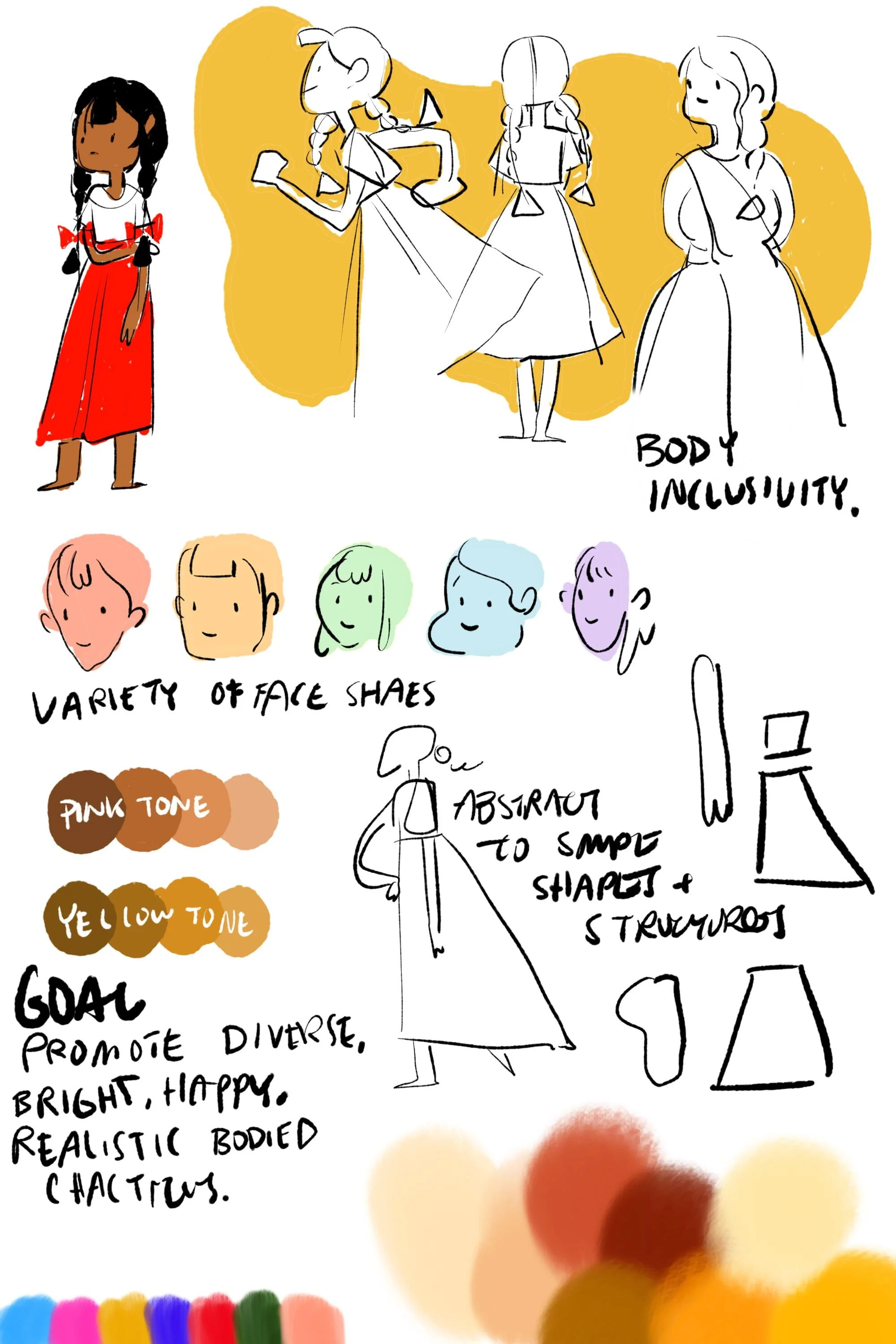
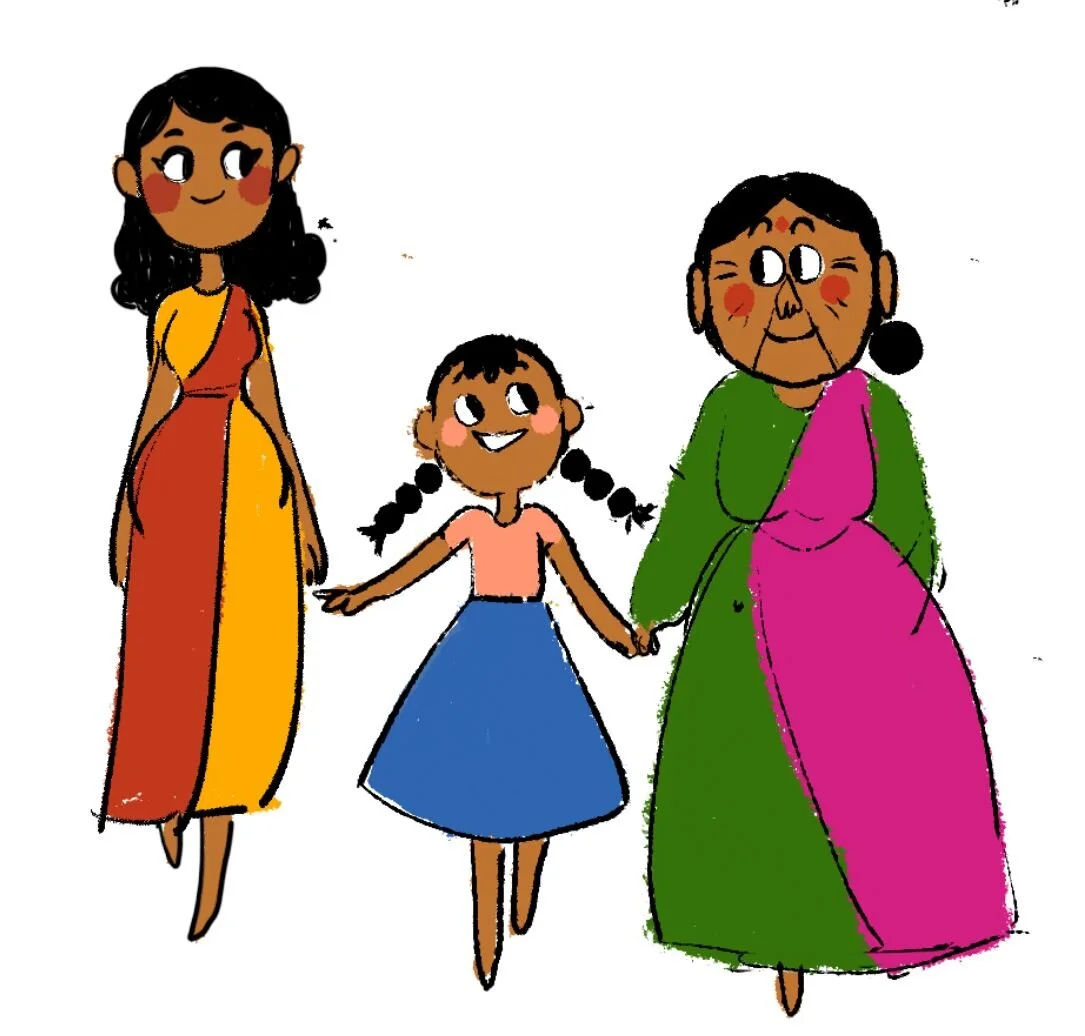
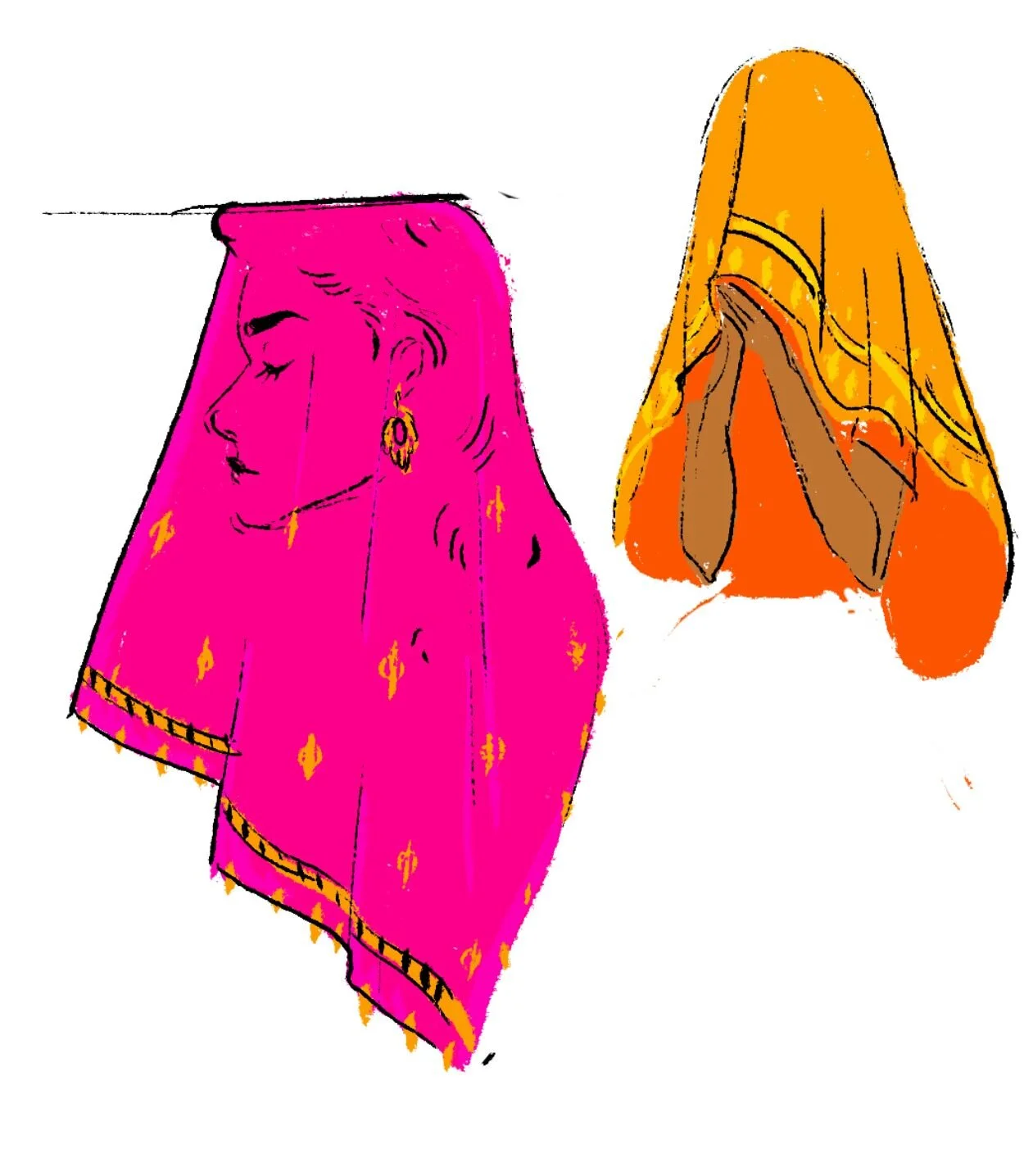
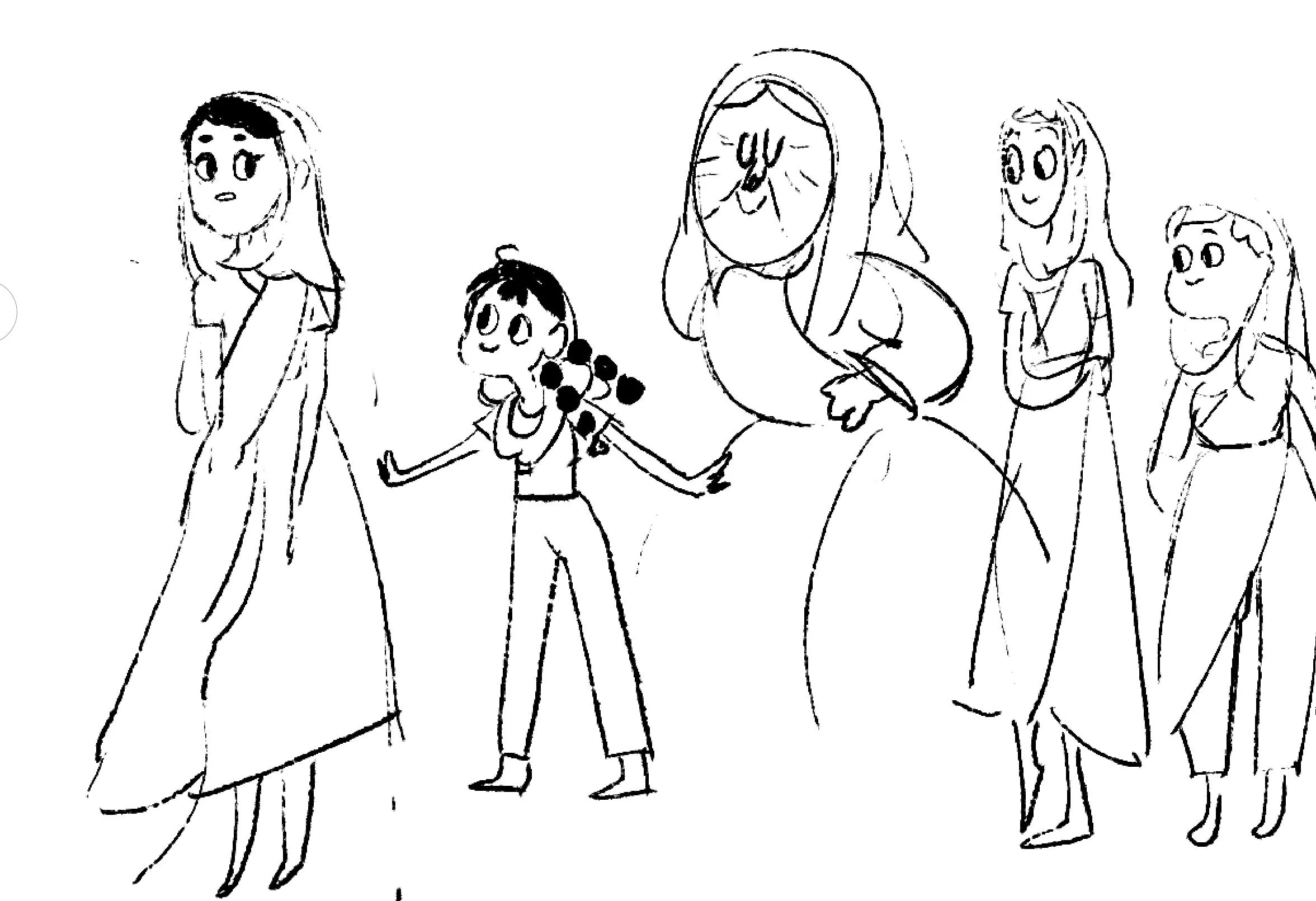
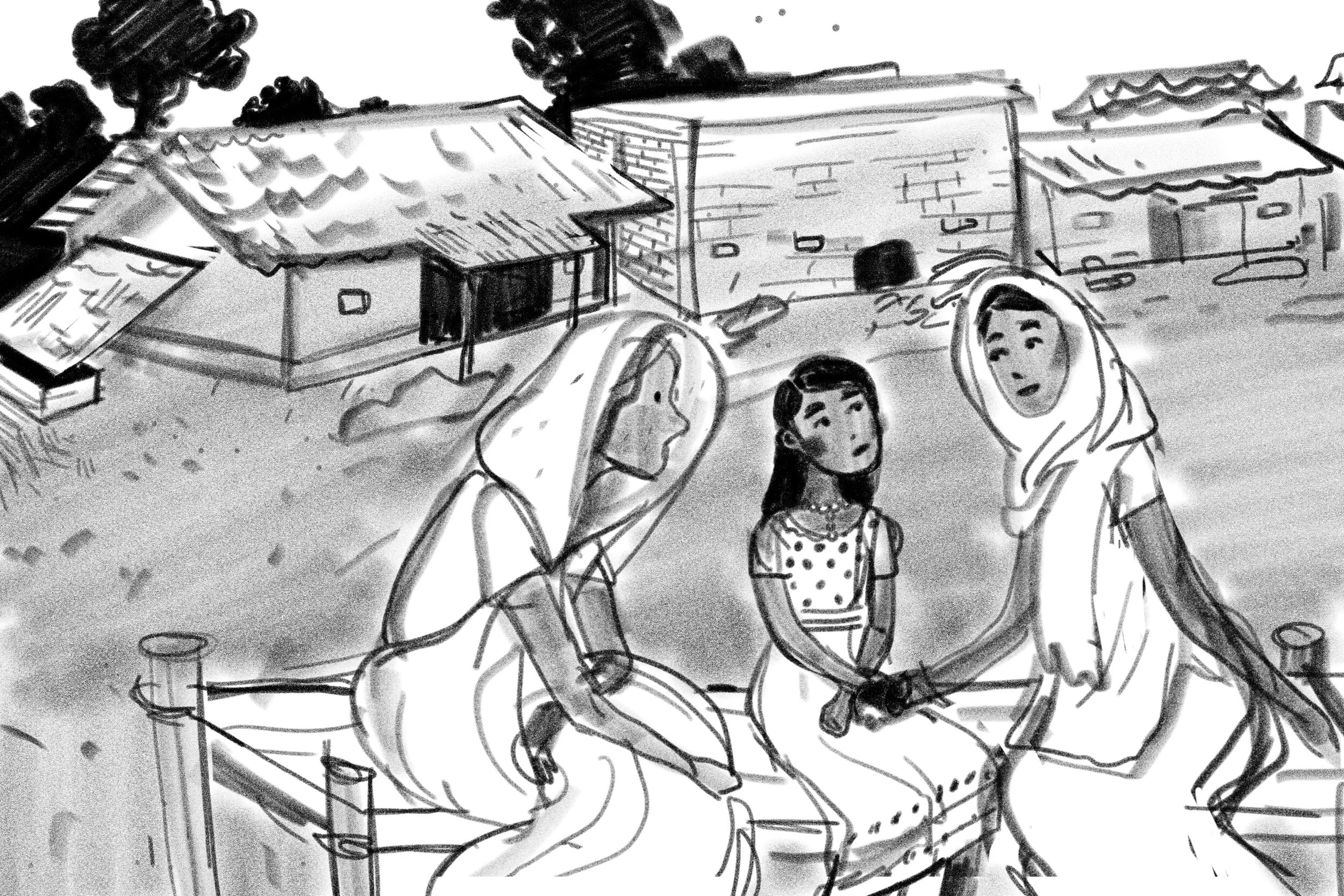
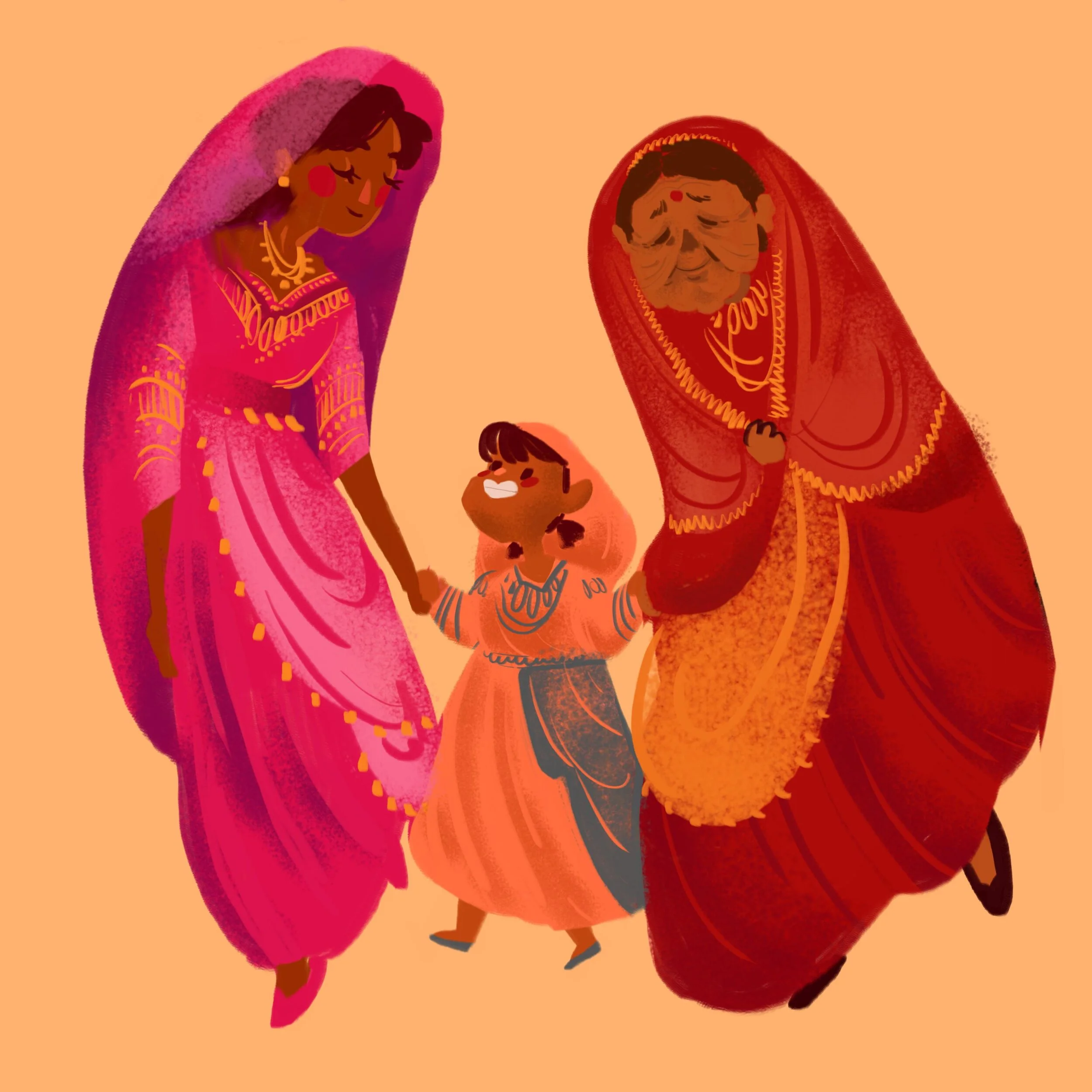
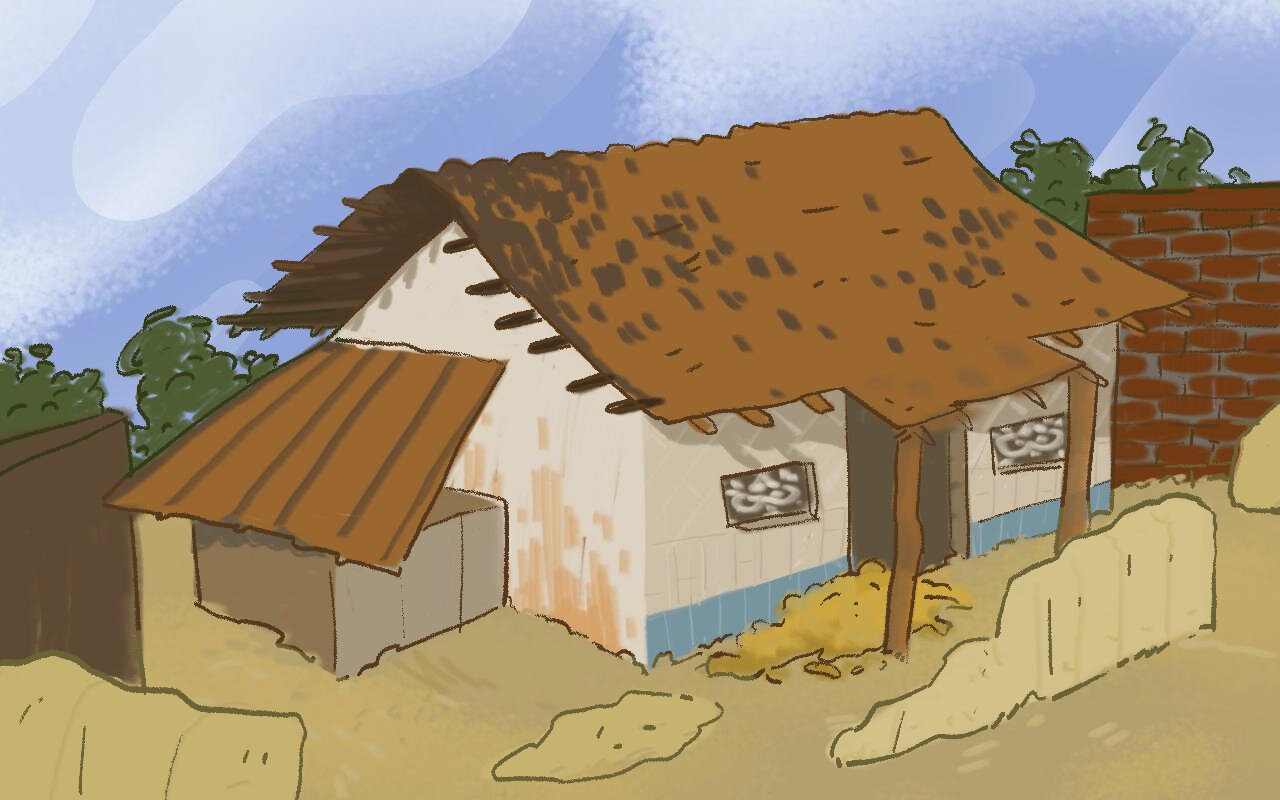
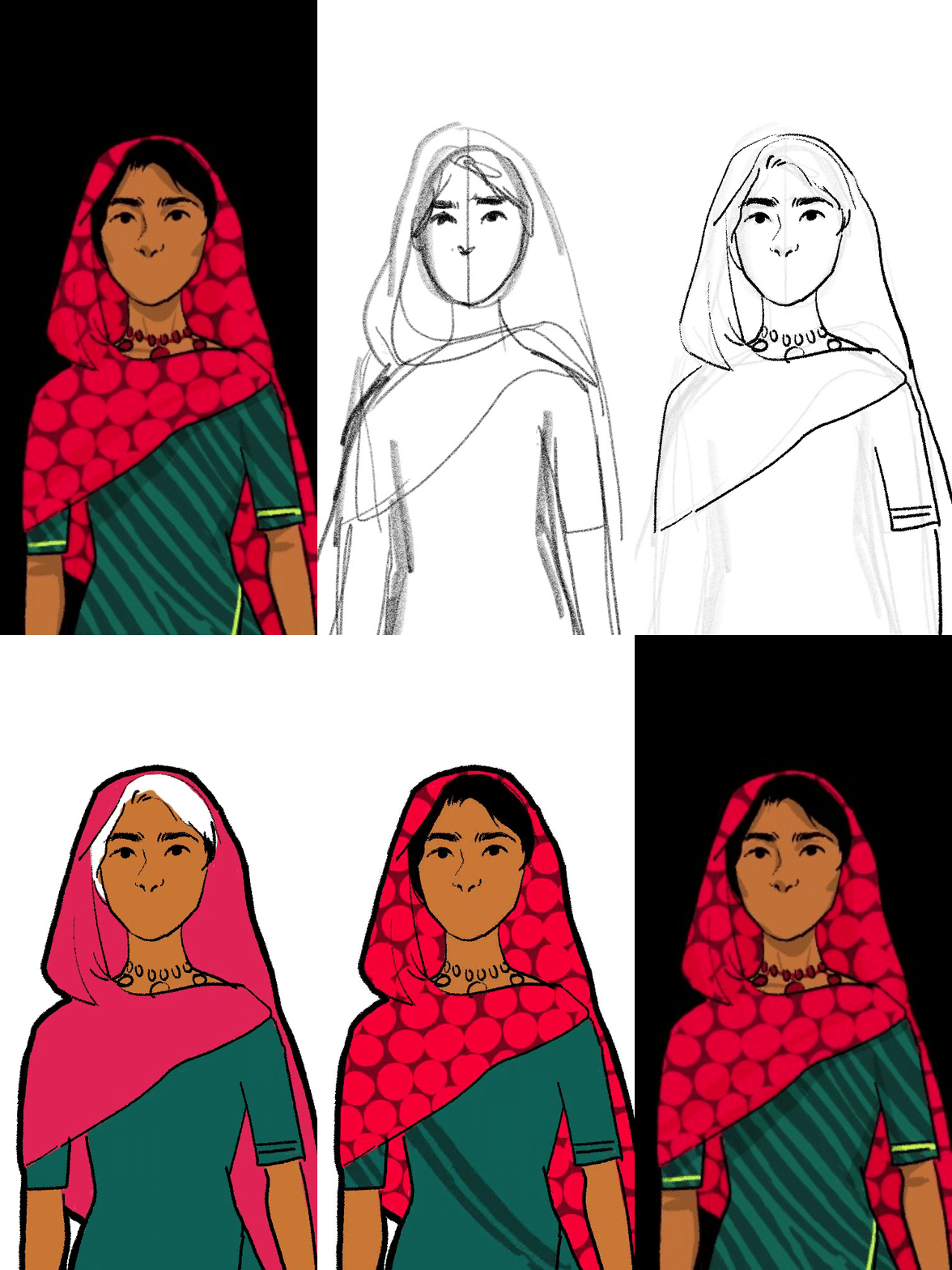
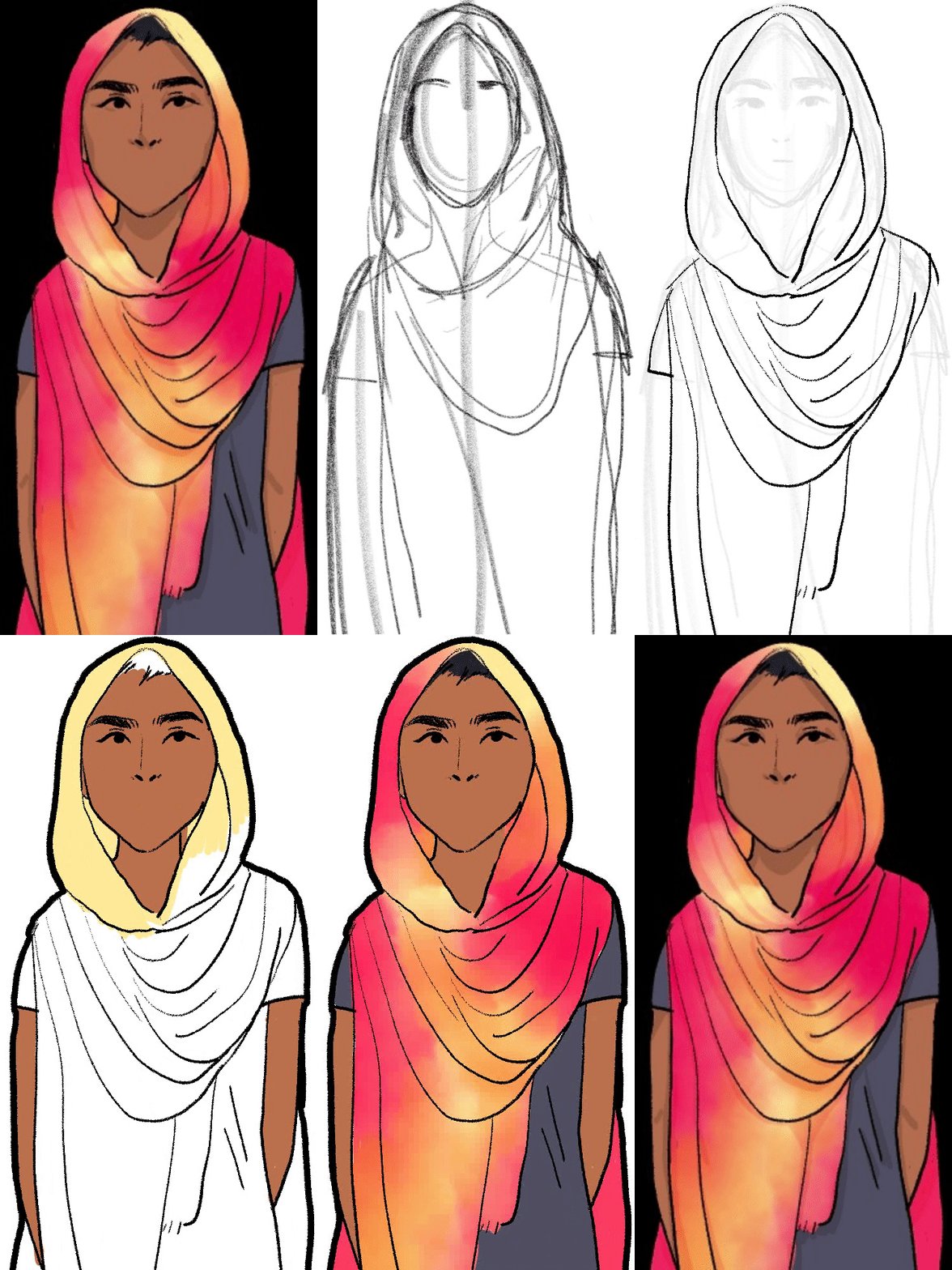
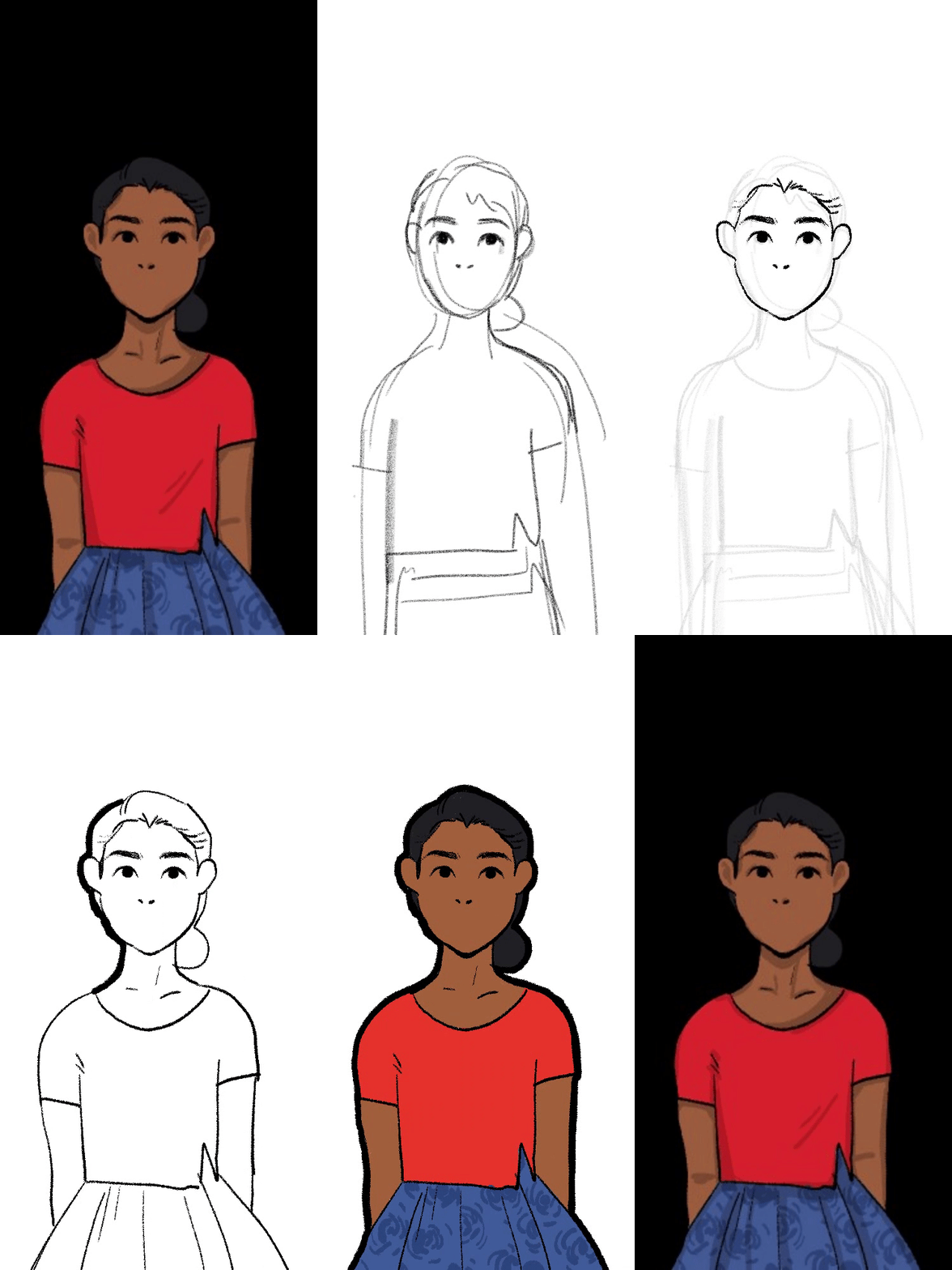
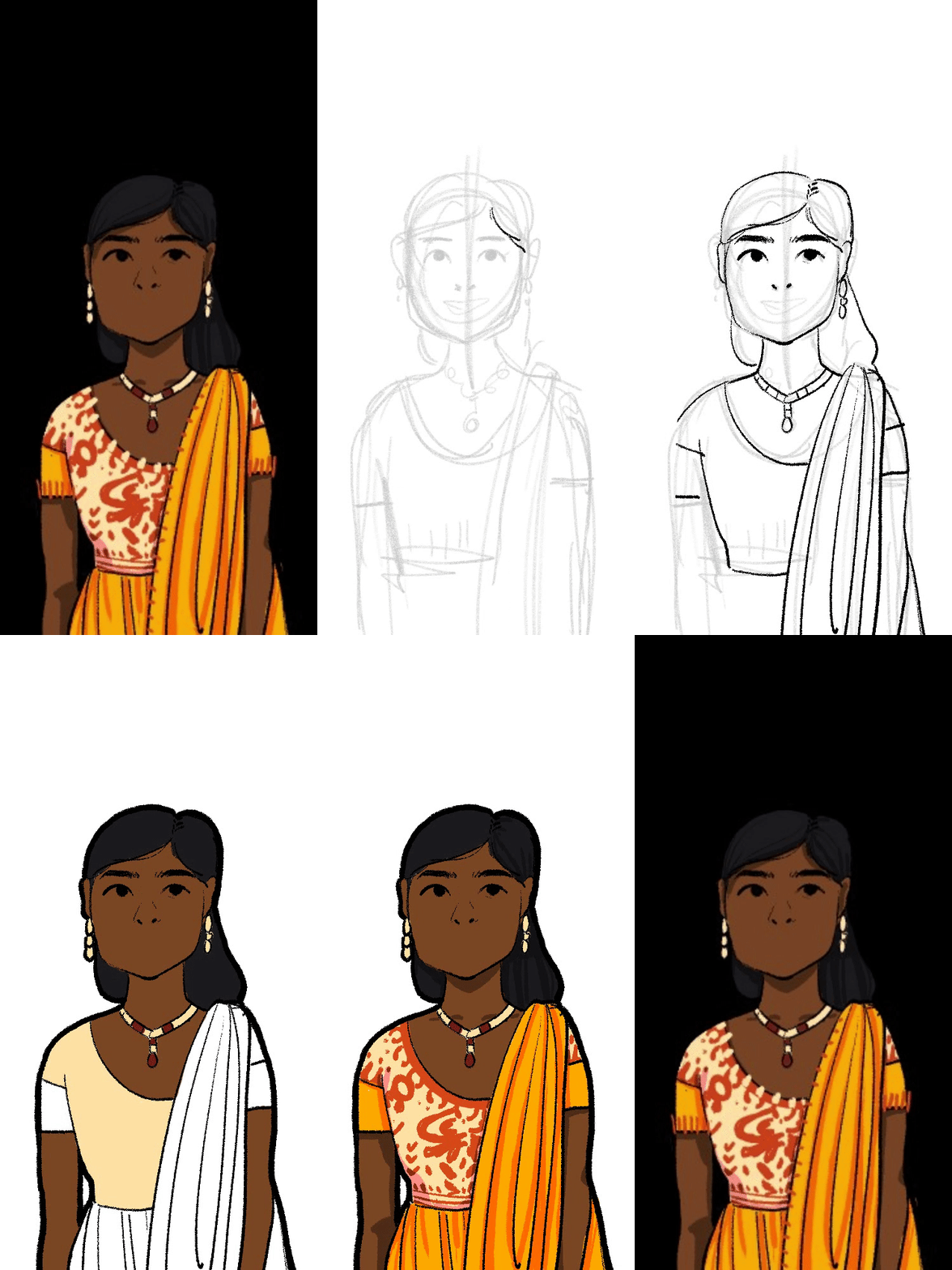
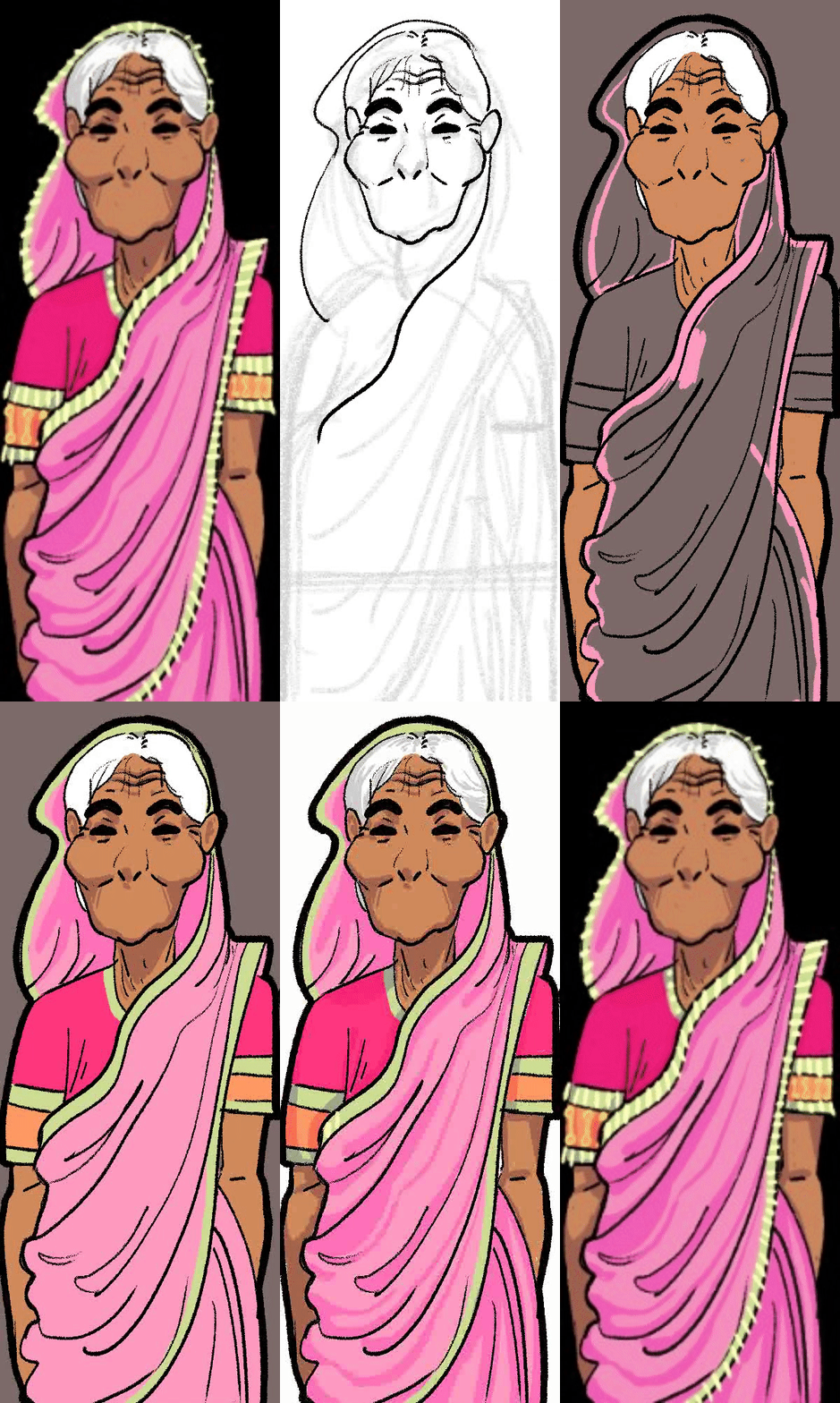
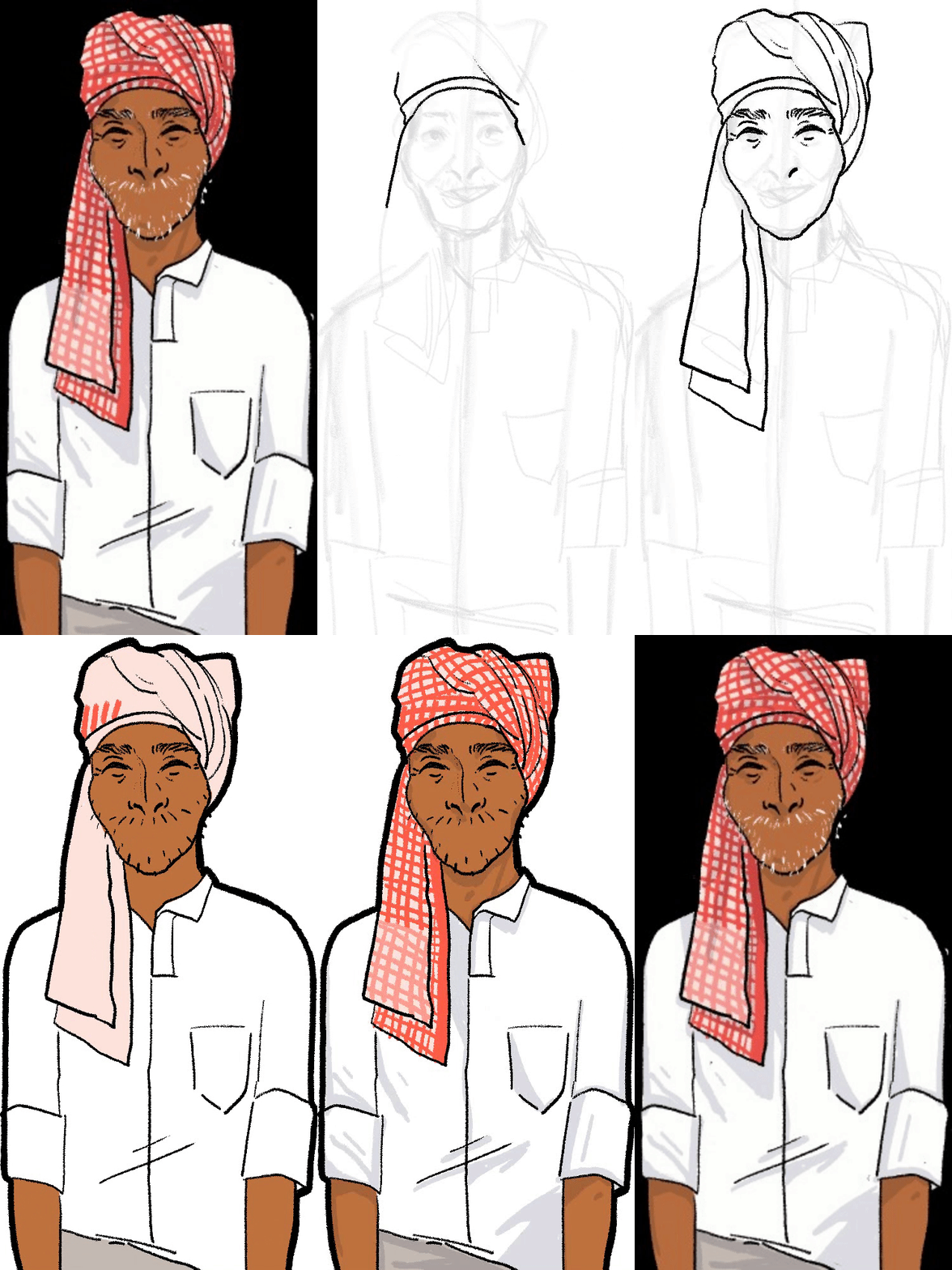
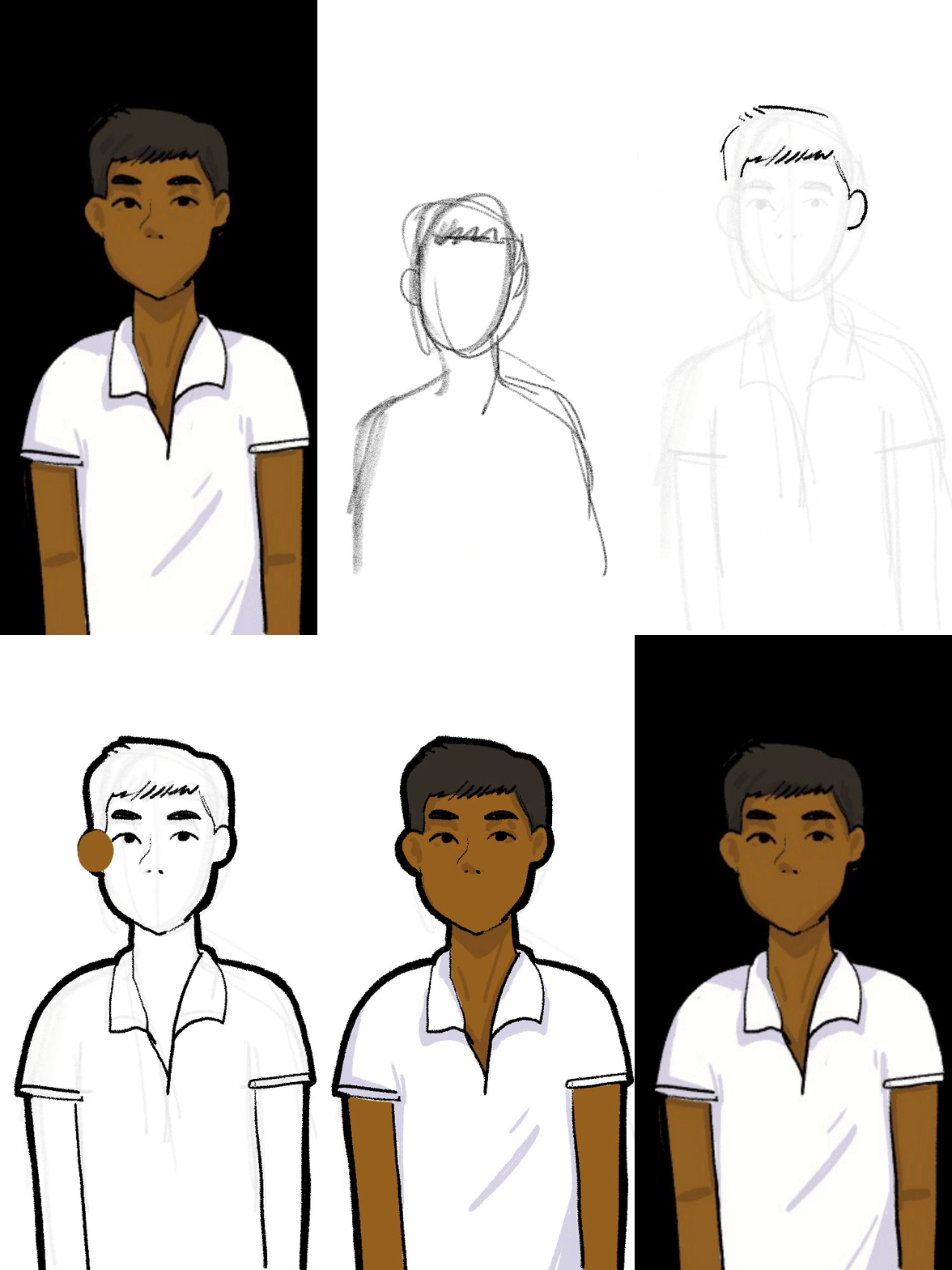
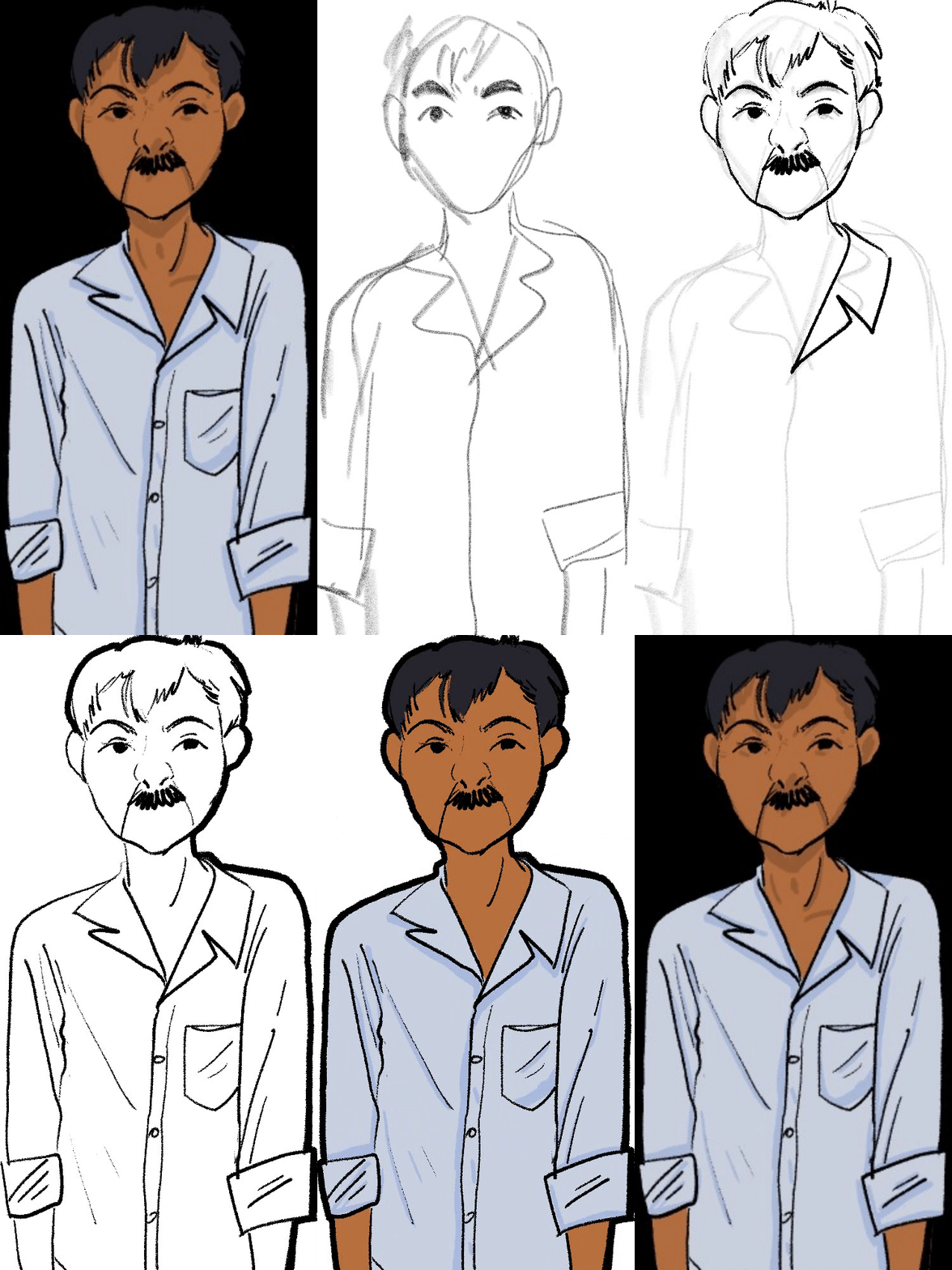
Illustrated the game’s concept art, including characters, environment, and color palettes
Communicated and met digitally with Barefoot College, our partner organization based in Rajasthan, India
Created character, animation, and environment assets using Adobe Fresco
Design Programs Used
Adobe Illustrator, Autodesk Sketchbook, Adobe Fresco
Target Audience
girls and women
15-50 years old
Rajasthan, India
Illiterate and literate users
little/no prior experience with tech
How can we design for a target audience that we have no direct connection/access to?
Monalisa and barefoot college are our connection to our users.
They provide cultural information, subjects that need to be covered, a script, and any other user information that we are unsure about.
Why a digital game as opposed to a more familiar medium, like books and print?
Monalisa informed us that when they show videos to their students, they feel that the information is much easier to learn than with print materials, especially when it comes to the complex biological processes involved with women’s health.
Game Structure
~10 modules, each themed w/ a topic
Module Structure
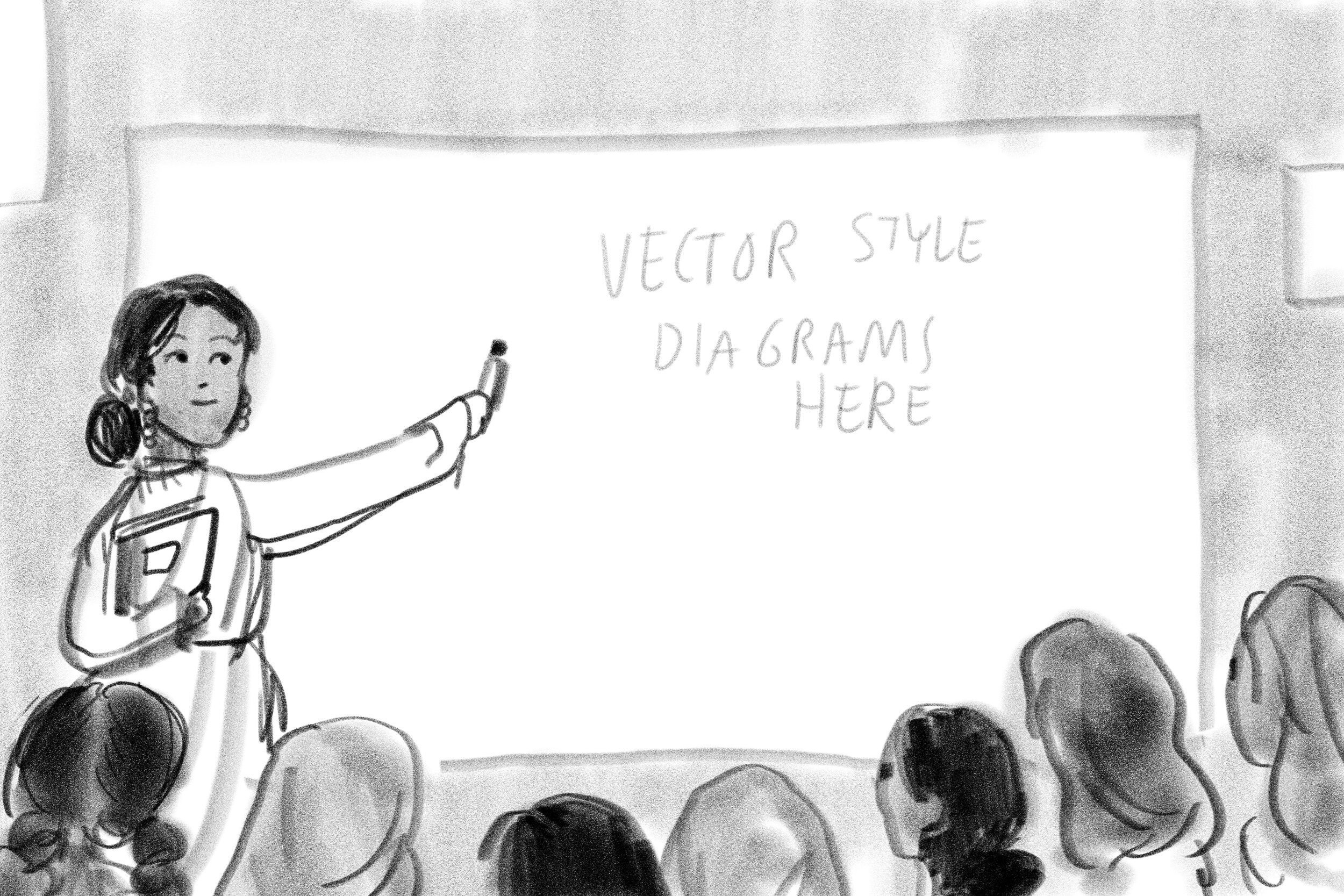
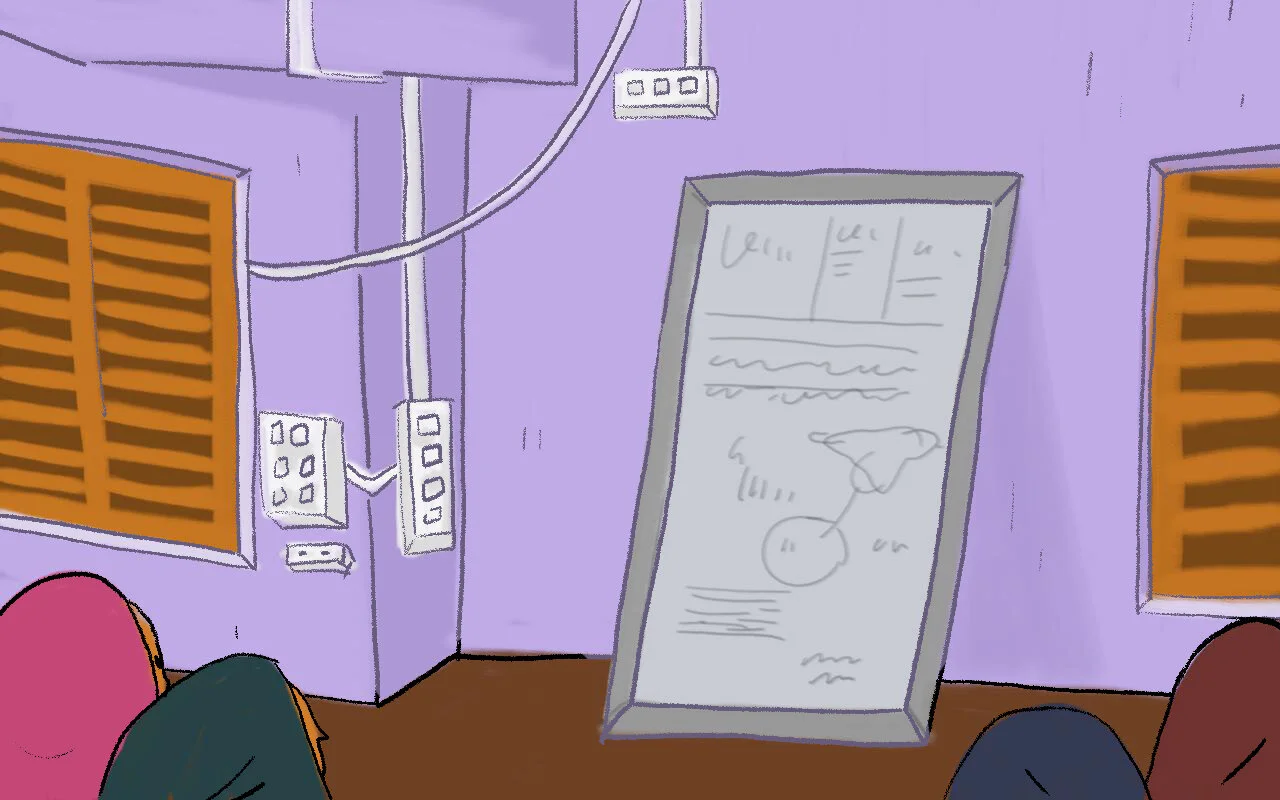
“Powerpoint slides” lecture + narrative
Tap to progress dialogue (voiceover, no visual text) and narrative
Will start with a story element which centers around our main characters
Hand drawn semi-realistic art style (in order to be relatable to target audience)
Programatically “animated” scenes
Simple mouth animations to indicate speech from characters
Will integrate into a more educational portion that utilizes vector diagrams
Interactive Quiz
Matching, diagram recreating, selection, etc questions relating to the materials taught in the previous section
Individual quiz results are recorded for the class instructor to review and monitor
Module Build Process
Monalisa and her team write a script for the module, also providing reference images for diagrams/ illustrations, character descriptions, learning objectives, etc
We review the script, discuss how it will be implemented, sketch out ideas, and talk about design decisions as a team
A storyboard for the level is drawn out
Initial sketches/storyboards are sent to Monalisa and her team to review. They requested that this is done first in order for them to give feedback and make changes before a fully rendered version is created.
Once approved, fully rendered illustrations are created and implemented into the game, in collaboration with the programmers
Once we have fully built a module, we will send it to Monalisa and her team in order to user-test in Rajasthan.
Monalisa and her team provides feedback, and we adjust the build based on their notes
Character Assets
The characters are drawn without mouths so that mouth assets can be layered on top and animated programmatically, depending on the story script.
Sketches and Visual Development